A reproduction of the 1816 U.S. infantry pattern with a polished steel barrel and period styling.
Supplied in a non-firing state.
Full view · 1 / 6Select a photograph to inspect
Technical details Specifications & construction
Barrel42 inches
Bore.69 calibre
Overall length58 inches
Weight9½ pounds
This reproduction of
a 1816 Model US
Infantry Musket has a .69 calibre, 42 inch long, round barrel
that is made of tempered seamless carbon
steel (type:BS970 no.080M40)
with a tight
breech plug. It is highly polished, not plated. The lock is made with strong durable springs
and has a case-hardened frizzen cover (hammer) that throws good sparks.
Both the lock and barrel are engraved or stamped with the appropriate
Springfield arsenal markings.
This
muzzleloader's total length is 58 inches and weighs 9 1/2
pounds.
We use
an industrial case-hardening factory process that makes sparking both more
reliable and longer lasting.
Presently no other musket provider uses
this technique.
As with all our
other flintlock black powder muzzleloaders, the vent is not drilled (read details below) so we can ship easily to your door
throughout North America and to Europe and the UK.
Aside from that they
are exactly like
the originals.
A fine addition to any collection.
The story behind the pattern
History
Similar to the French
Napoleonic Infantry musket, the 1816 Springfield infantry musket became one
of the longest running stands of arms in the history of the United States
with over 675,000 made. While the last one was manufactured in 1844, this
flintlock continued to be used into the first years of the American Civil
War.
This musket is
symbolic for the westward expansion of the country throughout the first half
of the 19th century. The 1816 Springfield saw service in the
Texan Revolution including the Battle of the Alamo and the Battle of San
Jacinto. After the independence of Texas, the 1816 musket was chosen
as the first standard musket of the Texan army in 1839.
Battle of San Jacinto
While percussion
cap muskets were becoming standard in the 1840s, General Winfield Scott
insisted that American troops be outfitted with 1816 flintlocks during his
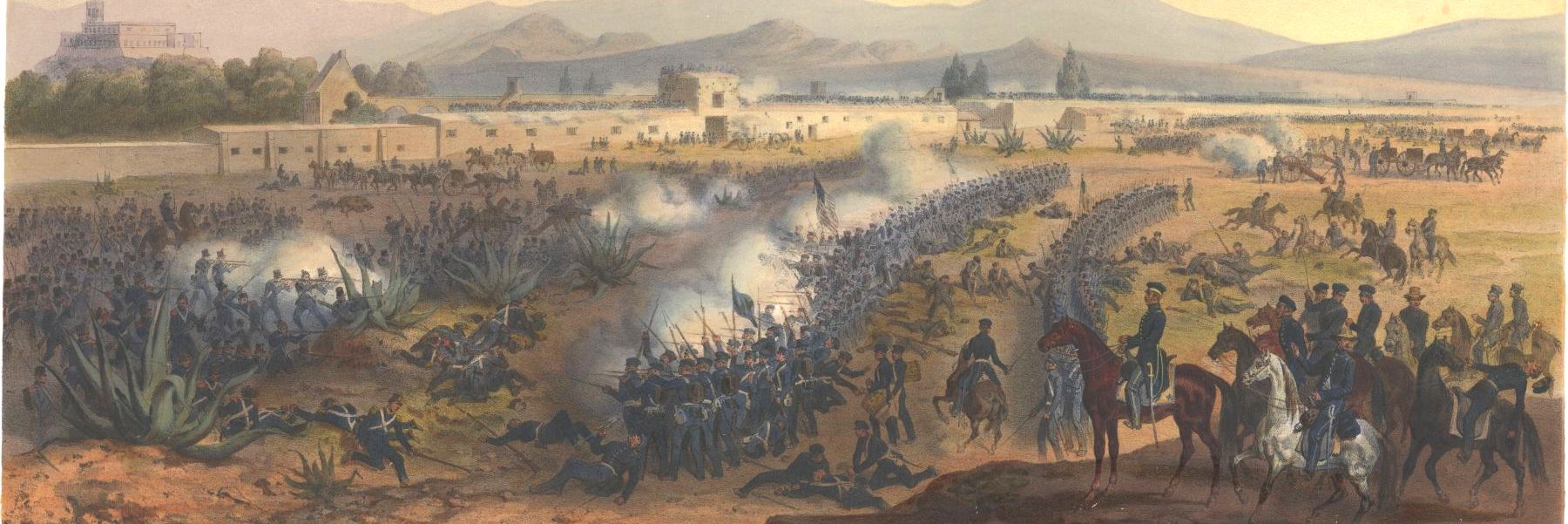
campaign on Mexico City during the Mexican-American War of 1846-48.
Because of the territorial gains from the war, one could say five states
(including California) owe their creation to the model 1816 musket.
Battle Scenes from the
Mexican-American War
As mentioned this
did not end the use of the 1816 flintlock musket. With so many
manufactured, they were still in use by some units at the beginning of the
American Civil War. Below is a photo of a Confederate soldier in
1862 armed with a 1816 model infantry musket:
Our Guarantee
If upon receiving your musket you are not completely happy with
your purchase, you may return it for a refund. All we ask is you cover the
shipping costs. It has to be returned in two weeks of receipt and be in its
original state (unaltered and unmodified).
Non-Firing State
We sell historically accurate muskets and pistols in a non-firing state for demonstration purposes. This allows us to comply with various local, state, national and international firearms regulations, along with shipping company policy restrictions. This means the product comes right to your doorstep. A certified gunsmith may decide to alter a musket or pistol to a firing state by drilling the vent hole and test firing it. No need to remove the breech plug. We are not legally responsible for any changes from its present state. Please read our Conditions of Use and Legal Disclaimer. The customer is expected to be aware of the laws of their locality that govern products of this nature.