
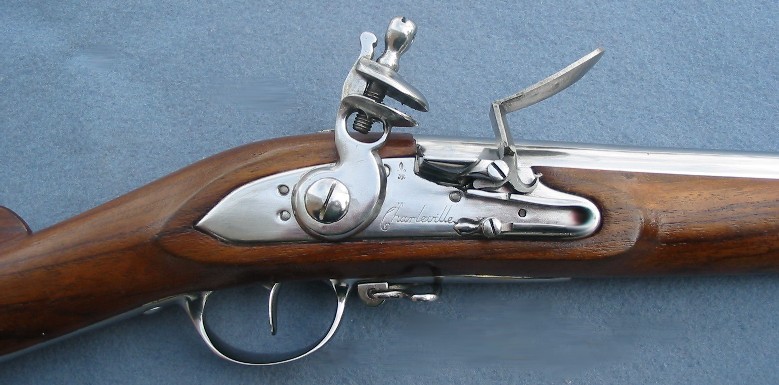
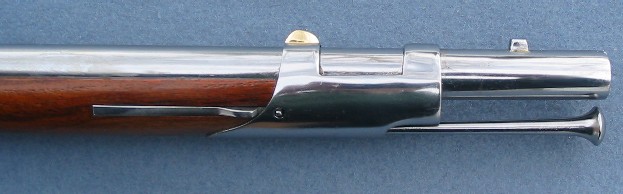

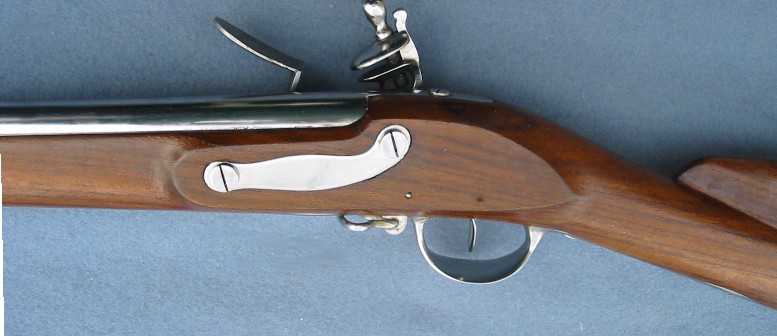
Introduced initially in 1763, the new French Infantry Musket underwent a number of changes 3 years later in 1766 including lightening the musket, reducing the size of the lock, and utilizing the button-head ramrod design . The French main arsenal producing the 1766 model was the one at Charleville in North Eastern France in the Champagne-Ardenne region. Tens of thousands of this musket were made for the royal army of France, however this was not its claim to fame.
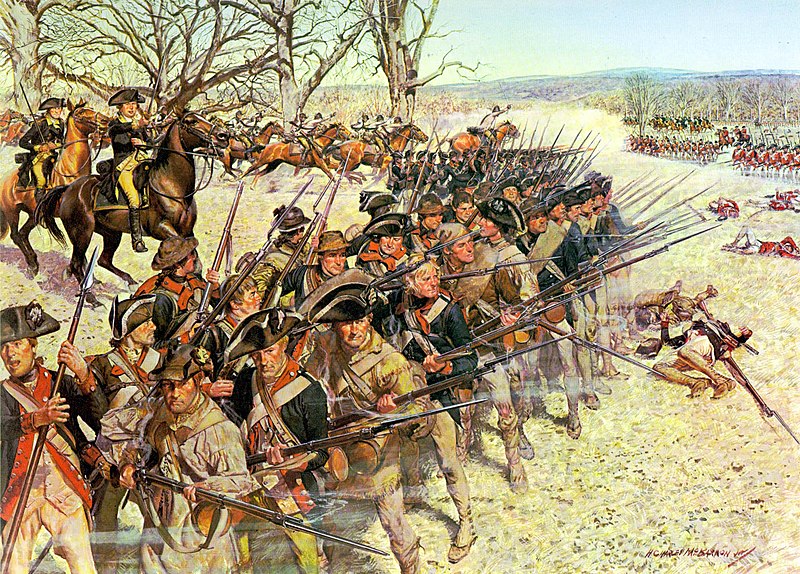
In 1776, with the revolution against British under way, the United States were desperate for muskets. That spring Congress sent Silas Deane to France to plead for assistance in the form of arms, equipment, and financing. Looking to even the score against Britain, France came to the Americans side with shiploads of muskets. Because were not officially at war with Britain until 1778, a fake corporation had to be set up to mask the French government's direct involvement. In addition, ship log destinations were falsified to hid the fact the muskets were being shipped to American ports. Because of the British presence on the high seas, some French ships had to sail to the West Indies, drop off their cargo, and American vessels then picked the muskets up.
In studying the numerous surviving muskets of French manufacture but with U.S. surcharge markings, the vast majority are the 1766 model Charleville Flintlock musket is with the button style ramrod. Contrary to popular belief, the flared trumpet style ramrod was not used with the 1766 model. So dominant was the presence of the 1766 model in the American forces, that when U.S. began to mass manufacture its own army muskets, the first model off the arsenal at Springfield in 1795 was an exact copy of the 1766 Charleville.
While the 1777 model began to be issued to French Regiments almost immediately, the 1766 model continued to be carried by some French soldiers all the way up into the time of Napoleon.