How to Fix a Flint on American and British Muskets, 1768
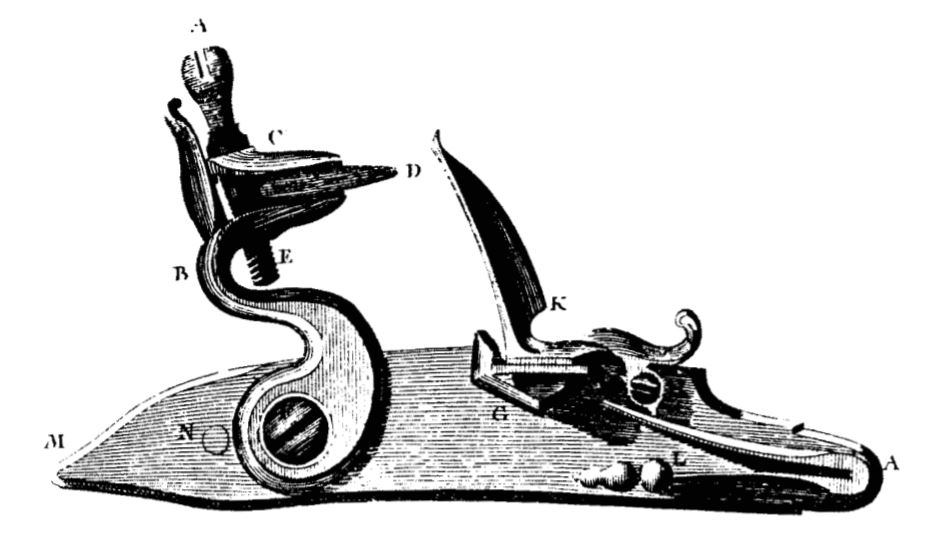
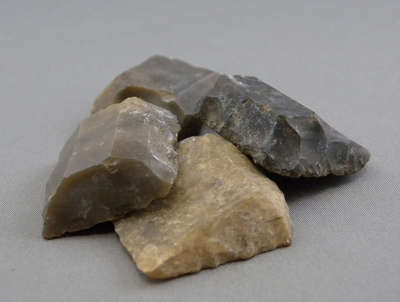
to 1848 Troops received their supply of musket flints in a small 70lb cask (called a half barrel) which contained 2000 of the napped stones. Generally musket flints were about a inch wide and an inch and a quarter long but because the locks were handmade, the half cock position varied greatly. One soldier at the St George's Massacre in 1768 noted that his flint was too long stopping his hammer (frizzen) from closing and he had lost his priming. Certainly flints had to be adjusted by napping by someone in the regiment to ensure each soldier had the right flint for his unique situation. This conclusion is supported by a 1773 sportsman shooting manual which stated "the size should be suited to the lock of the gun, and be neither too large and thick, nor too small and slight; the first will not give fire freely, and the other will be vary apt to break." The same manual suggested clear flints were best "but whether the dark or light sort is immaterial as there are good of both kinds."
How often did soldiers change their flint in battle? Many factures matter here. The quality of the flint, the strength of the main and the frizzen spring and the hardness of the hammer (frizzen) all effected the longevity of the flint. Sportsman manuals of the time do give a hint to the answer. When hunting fowl, a misfire was to be avoid by changing your flint often. A 1789 shooting treatise recommended changing the flint after 15 or 18 shots, while an 1814 shooter's manual suggests swapping out the flint after just 7 or 8 shots!
The first to write on the subject was Bennett Cuthbertson in 1768: "The flints should always be screwed firm, between a thin piece of lead, it having a more certain hold, than leather, or any other contrivance". This belief was echoed by Thomas Simes in 1777 in his work A Military Course for the Government and Conduct of a Battalion who also repeats the 1773 sportsman advice mentioned before:
It appears this advice was adopted to some degree by the various regiments. However it was not until 1809 before any sort of official army position was taken. Likely concerned with the various regimental methods of fixing flints, the British Adjutant-General found it necessary to issue a memorandum on the subject.
The United States Infantry issued a similar regulation published in 1820:
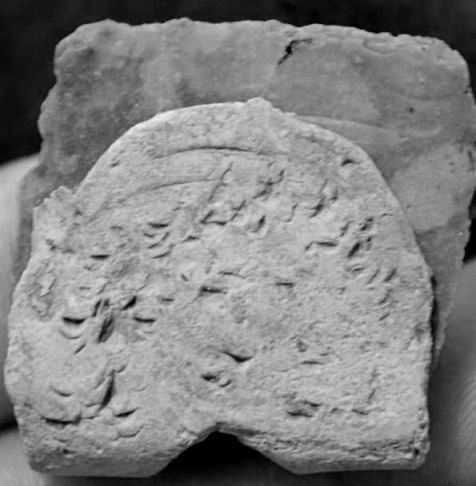
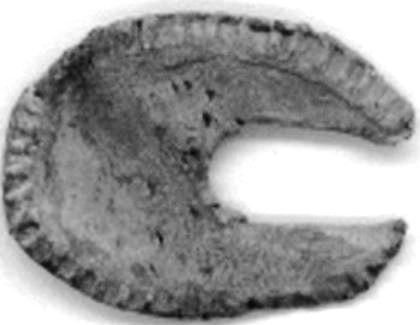
Material Used to Secure the Flint in the Jaws Interestingly enough the above orders are silent on the material used to assist the securing of the flint in the jaws of the cock. Both Simes and Cuthbertson suggested a thin piece of lead and evidence seems to point to this being most common. Even sportsman manuals recommended lead first, and a piece of stout leather as a second choice. In 1809, for example, the 71st Highland Light Infantry ordered "the flints to be put in between a piece of lead, nicely beat out and notched." The "notched" is a reference to a notch out of the lead to allow the screw for the jaws to pass as close to the rear of the flint as possible, along with the rounding of the corners to prevent injury. Archaeological finds in the American Revolution show a use of various notches. There was the elongated pattern that allowed a little more adjustment. There was also single hole pattern, especially in the 18th century, though the elongated hole seemed more popular. By the 1820s a pattern started popping up for some units in the American Infantry which had an elongated hole but also folding tabs for the side of the flint. It should be noted that sheet lead without notches was quite common throughout the entire period.
The notched lead piece was similar to the French system of the time. However that pattern only secured one side and part of the other. However the lead piece had a decoratively stamped edge to further increase the hold. The French also introduced side wings or tags in the Napoleonic Wars that the United States later copied. This below pattern spread to North America and has been found in archaeological digs on the American frontier.
Use of a single piece of lead has not universal in the British Army. For example the 12th Regiment ordered their men to always fix their flints between two pieces of lead. Archaeological finds support this technique throughout the 18th and early 19th century. A more interesting variant was the use of soft copper or brass instead of lead. The 29th Regiment in 1812 noted that the musket flints were to be fixed "with a regimental copper-plate." The "regimental" in this context usually refers to an approved regimental pattern and not regimentally marked. This pattern likely looked more like the French pattern. Some were reported being found under a War of 1812 guardhouse at Fort George in the 1970s, They were described by the archaeologist as "scrap sheet brass, semicircular outline, serrated front edge, triangular notch." Whether using lead, copper or leather, changing the thickness of the piece either above or below the flint helped to get the proper angle for the best sparks. In his 1804 book on the Baker Rifle, Ebenezer Baker noted the following:
Today the frequent of lead is frowned upon for health reasons and more often than not leather has been substituted for holding the flint in place by black powder enthusiasts. To date I am unaware of anyone using cooper or brass as a substitute and since it was the choice of at least one regiment, it may prove an interesting alternative to "firing true and well."
|
|||
MORE FREE ARTICLES
like this one can be found here: